
GentleCure Image-Guided SRT
Treat skin cancer without surgery. The only GentleCure provider in Alaska.
GentleCure uses image-guided superficial radiation therapy to eliminate basal cell and squamous cell carcinomas with no scalpel, no stitches, and no downtime. Our providers will review your diagnosis and treatment goals to confirm whether GentleCure is the right fit for you.
- No cutting
- No stitches
- In-office treatment
- Image-guided precision
- No surgical wound care
- Personalized candidacy review
Non-Surgical Skin Cancer Treatment
For appropriate non-melanoma skin cancer patients.
A Non-Surgical Option
Why Patients Ask About GentleCure
For some patients, surgery may not be the preferred path because of cosmetic concerns, healing time, medical history, medications, or tumor location. GentleCure gives appropriate patients another way to discuss skin cancer treatment with their dermatology team.
No surgical incision
Treatment is delivered without cutting the skin or placing stitches.
Designed for select non-melanoma skin cancers
Often considered for certain basal cell and squamous cell carcinomas after pathology review.
Helpful for cosmetically sensitive areas
May be considered for areas such as the face, nose, ears, scalp, or other delicate sites when clinically appropriate.
In-office care
Treatment is performed in the dermatology office through a series of short visits.
Process
How GentleCure Works
- 01
Diagnosis & pathology review
Your dermatology provider reviews your biopsy results, tumor type, location, size, and overall treatment goals.
- 02
Imaging and planning
Image-guided technology helps visualize and measure the treatment area before treatment begins.
- 03
Targeted treatment
Low-energy superficial radiation is directed to the skin cancer site without a surgical incision.
- 04
Follow-up and monitoring
Your team monitors the treatment area and healing response throughout the process.
Candidacy
Is GentleCure Right for Me?
GentleCure may be considered for appropriate patients with select non-melanoma skin cancers, including certain basal cell carcinomas and squamous cell carcinomas. The right treatment depends on the cancer type, size, depth, location, pathology results, prior treatments, medical history, medications, and your personal goals.
May be considered for
- Certain basal cell carcinomas
- Certain squamous cell carcinomas
- Cosmetically sensitive locations
- Patients hoping to avoid surgical wound care when appropriate
- Patients who may not be ideal surgical candidates
May not be appropriate for
- Melanoma
- Some aggressive or high-risk tumors
- Tumors requiring surgical margin control
- Cases where Mohs surgery or excision is clinically preferred
- Any situation where the dermatologist recommends another treatment
Your provider will discuss whether GentleCure, Mohs surgery, excision, or another treatment is most appropriate for your diagnosis.
Treatment Comparison
Choosing the Right Treatment for Your Skin Cancer
Mohs surgery remains a highly precise surgical option for many skin cancers. GentleCure may be an alternative for select patients who are appropriate candidates for image-guided superficial radiation therapy. At Advanced Dermatology of Alaska, the goal is not to push one treatment for everyone, but to recommend the option that best fits your diagnosis, anatomy, health, and goals.
Mohs Surgery
- Surgical treatment
- Excellent for many high-risk or complex skin cancers
- Allows microscopic margin control
- May require stitches or reconstruction depending on location
GentleCure
- Non-surgical treatment option
- No cutting or stitches
- Image-guided superficial radiation
- Considered for select basal cell and squamous cell carcinomas
Your dermatology team will help you understand the safest and most appropriate option.
For a closer look at how the two approaches compare, read GentleCure vs. Mohs surgery: how to choose.
Treatment Team
Meet Your GentleCure Treatment Team
Care guided by experience, precision, and patient comfort.
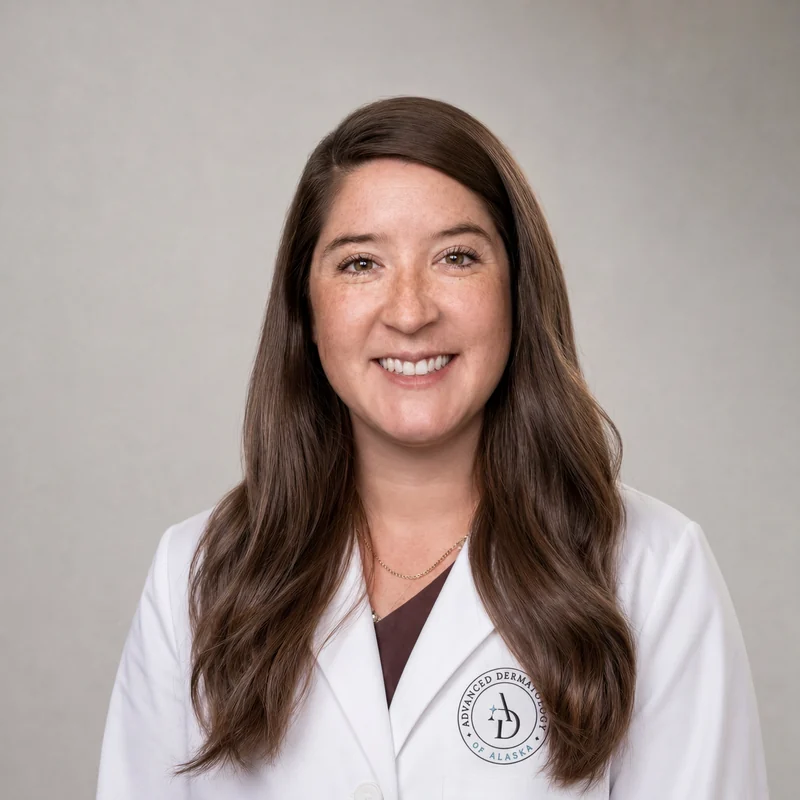
Cherie Hoppe, R.T.(T), is part of our GentleCure treatment team and helps guide patients through the image-guided treatment process. Her role supports careful treatment delivery, patient education, and a calm, comfortable experience during each visit.
Patient Experience
What to Expect During Treatment
If GentleCure is recommended, your care team will explain the process, schedule, treatment site care, and follow-up plan before treatment begins. Visits are typically brief and performed in-office, and many patients are able to return to normal daily activities afterward. Treatment is typically completed through a series of visits over several weeks.
- 1
Consultation
- 2
Pathology review
- 3
Treatment planning
- 4
In-office treatment visits
- 5
Follow-up monitoring
Watch How GentleCure Works
A short overview of the image-guided treatment process. Your provider will determine whether this option is right for your diagnosis.
Frequently Asked
GentleCure Questions, Answered
Next Steps
Find Out Whether GentleCure Is Right for You
If you have been diagnosed with basal cell or squamous cell carcinoma, our team can help you understand your options and whether GentleCure is appropriate for your case.